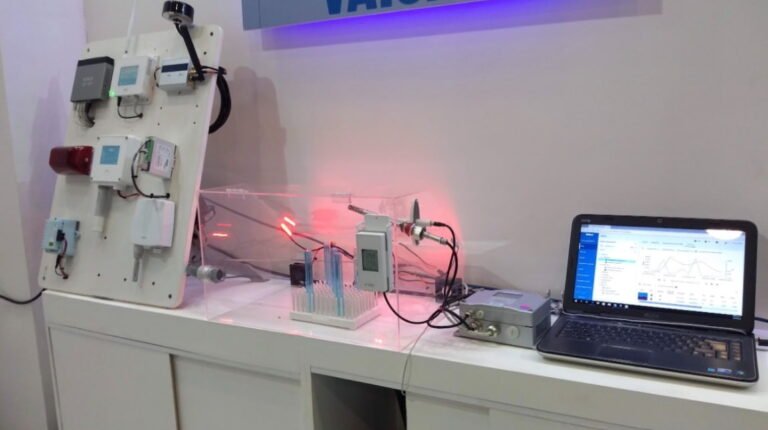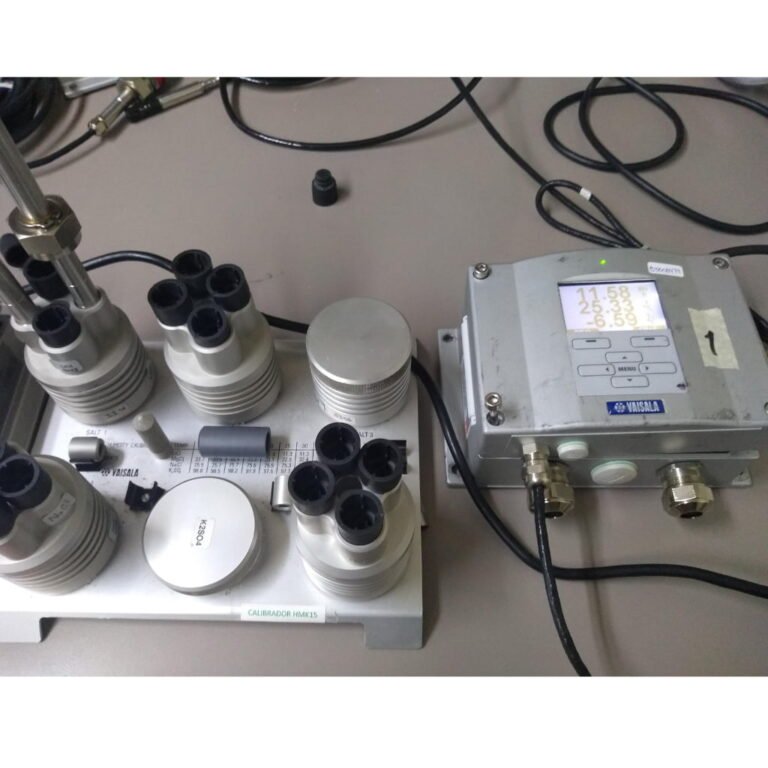



How dew point measurement and moisture control help protect power transformers in nuclear environments
Where an Invisible Variable Can Change Everything
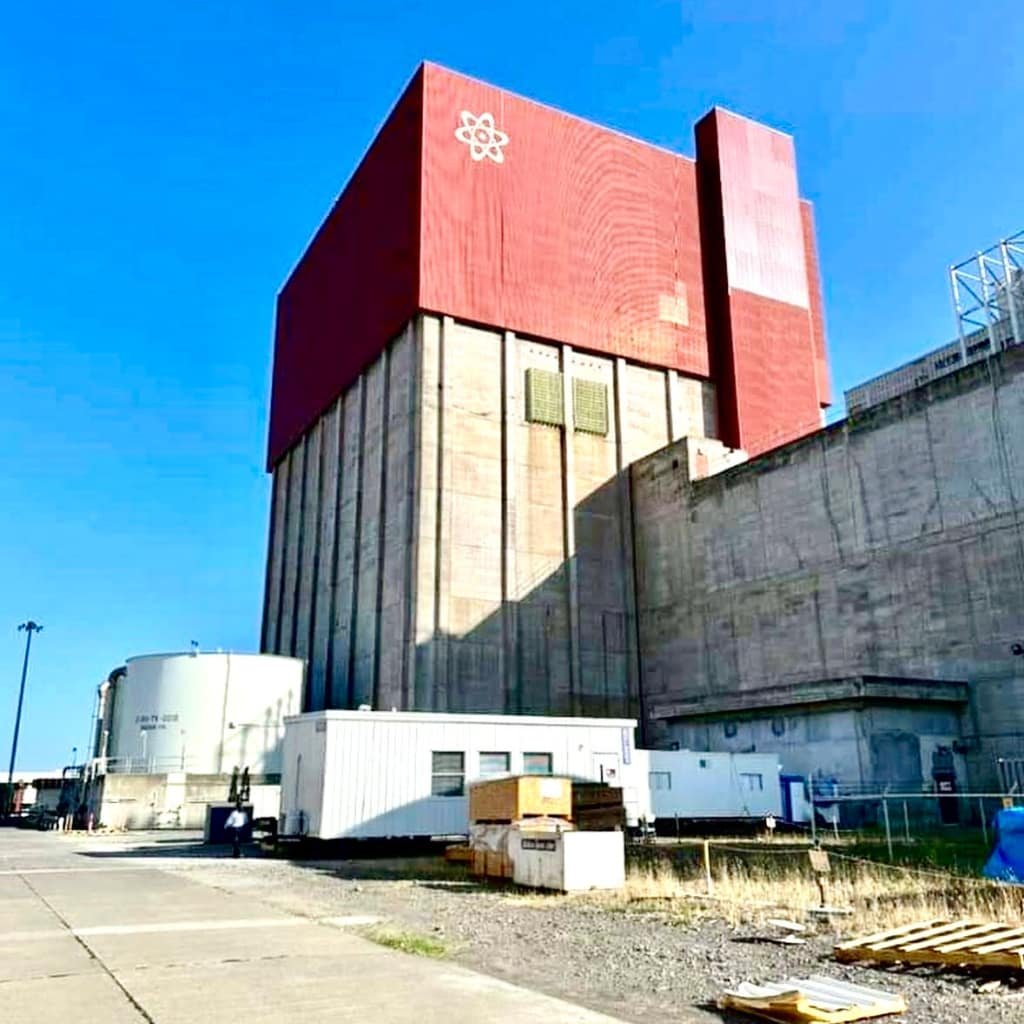
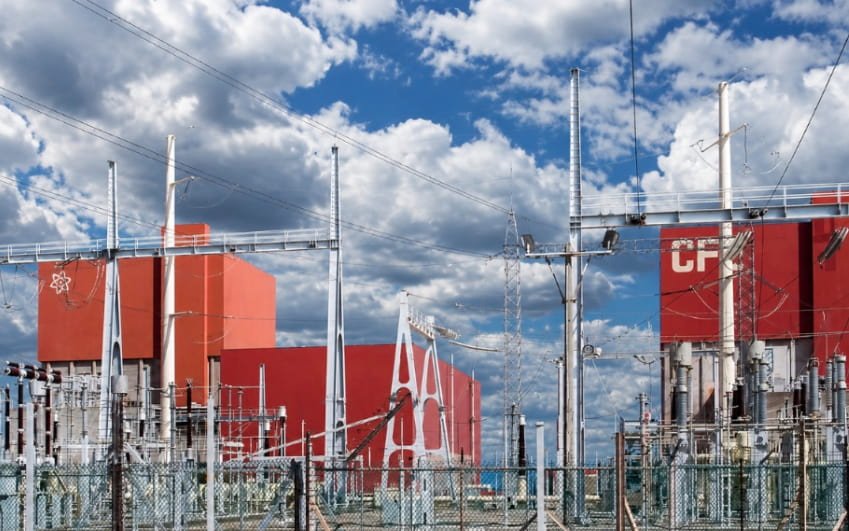
Laguna Verde – When we think about a nuclear power plant, we usually imagine turbines, steam, and massive systems capable of powering entire cities.
We think about megawatts.
Infrastructure.
Energy at an enormous scale.
But rarely do we think about something much smaller:
The presence of water where it should not exist.
Because in certain systems, a single variable out of control can compromise an asset designed to operate for decades.
And in facilities like Laguna Verde Nuclear Power Plant, that is never a minor detail.
A Visit That Changed My Perspective
Several years ago, I had the opportunity to visit Laguna Verde to deliver a technical presentation on a topic that, to many people, might seem secondary:
Dew point measurement in power transformers.
The purpose was to explain why an apparently simple measurement could become a critical tool for protecting essential equipment.
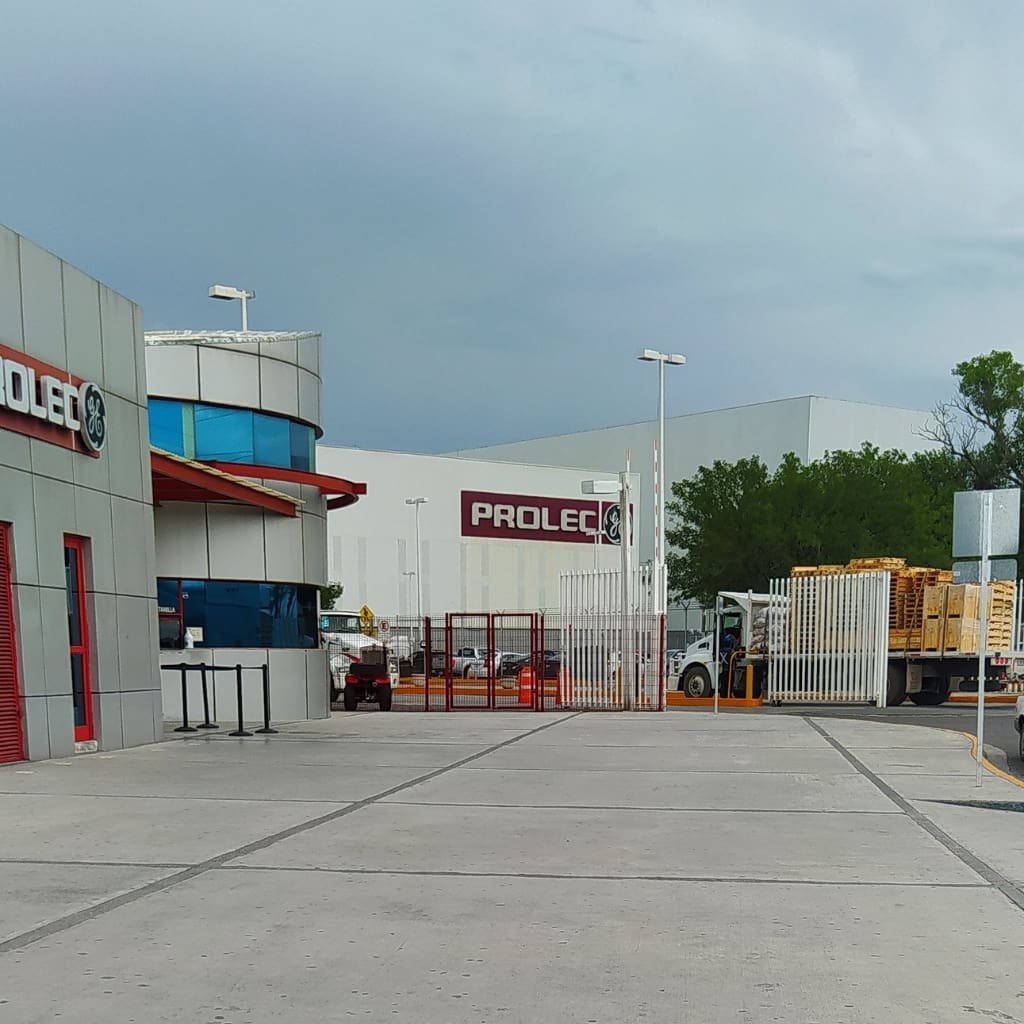
By then, I had already seen similar applications at electric transformers manufacturers such as WEG and Prolec GE, where humidity control before filling transformers with dielectric oil was already part of the process.
But inside a nuclear power plant, the context is different.
Because there, precision stops being an improvement.
It becomes an operating condition.
Why Moisture Inside Power Transformers Matters
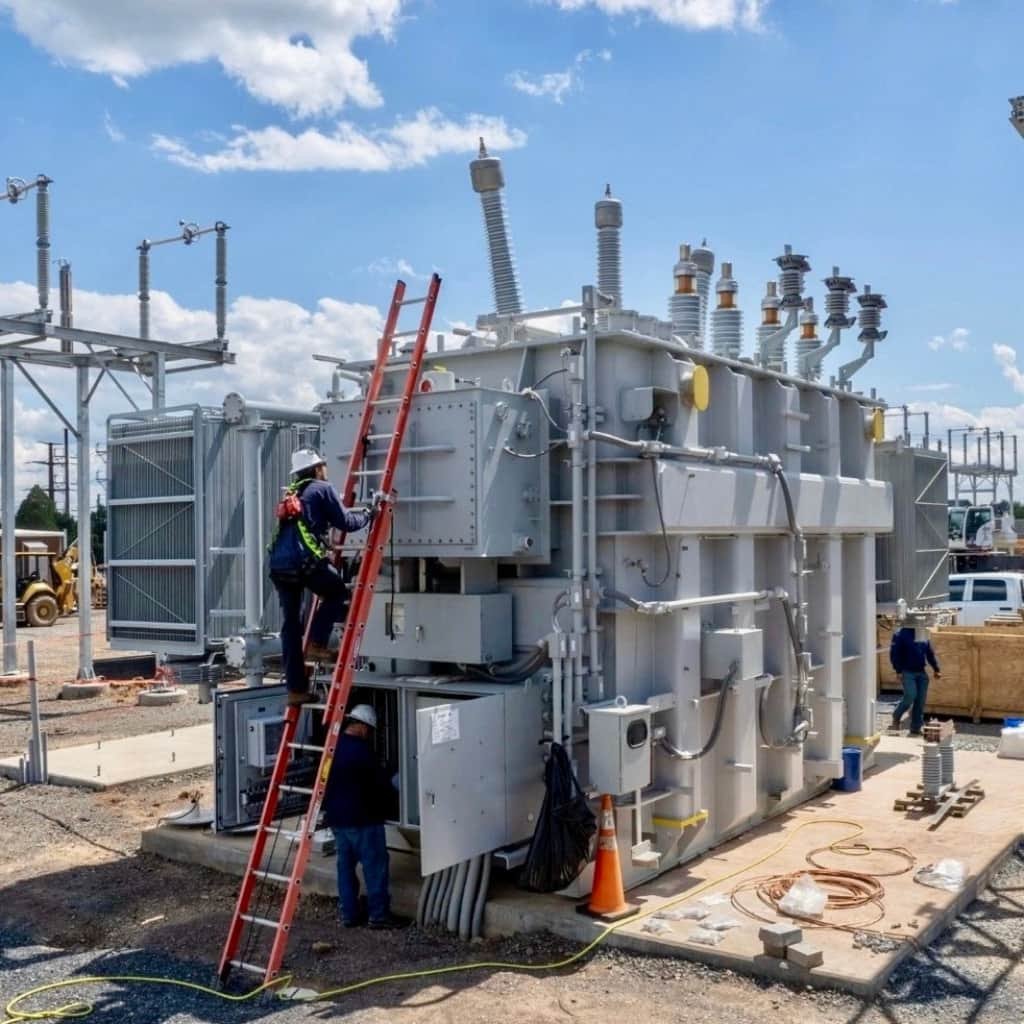
Before a transformer can be filled with dielectric oil, its internal structure must be completely dry.
Even minimal moisture contamination can lead to:
- Insulation degradation
- Internal gas formation
- Accelerated oil aging
- Reduced transformer lifespan
And at this scale, a failure is not simply a repair.
It can become a multimillion loss.
For years, many facilities addressed this by injecting dry nitrogen for approximately twelve hours to remove residual moisture and achieve the required internal vacuum conditions.
It was a functional method.
But it still depended on assumption.
The real issue is not only the presence of water itself.
It is what happens when moisture remains trapped inside the transformer while the equipment continues operating at high temperatures.
Dielectric oil does more than provide electrical insulation.
It is also responsible for dissipating the heat generated by the system itself.
Over time, temperature slowly alters the chemical composition of the oil.
And when moisture is present, that degradation process can accelerate significantly.
Heat promotes oxidation.
Water accelerates the reaction.
Together, they can lead to the formation of acids, sludge, and compounds that reduce the insulating capability of the system.
The most delicate part is that this process is almost never visible at the beginning.
Internally, the transformer may begin aging long before the first symptoms appear.
When Measurement Replaces Assumption
The problem was simple.
It was assumed that after a certain amount of time, the transformer was dry.
But in reality, nobody was truly seeing the condition in real time.
That is where dew point measurement completely changed the approach.
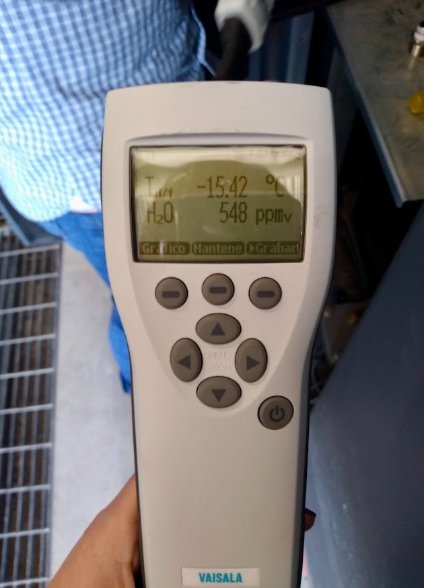
Instead of relying only on purge duration, it became possible to directly measure residual moisture inside the system.
In some processes, the target was reaching values close to:
-70°C
An extremely low level of moisture.
When that measurement is performed with a reliable instrument, the process no longer depends on estimation.
It depends on evidence.
In some cases, this allowed facilities to reduce nitrogen consumption and shorten process time by up to 30%.
What initially appeared to be a small improvement ultimately impacted:
- Operational time
- Gas consumption
- Costs
- Asset reliability
Dissolved Gas Analysis and Early Failure Detection
Moisture was not the only critical indicator.
Another topic that repeatedly appeared was dissolved gas analysis.
Although it was not my direct specialty, its importance was impossible to ignore.
When a transformer begins deteriorating internally, the oil can release gases that act as early warning signals of developing problems.
Among them:
- Hydrogen
- Methane
- Ethane
- Ethylene
- Acetylene
- Carbon monoxide
- Carbon dioxide
Each one can reveal a different part of the transformer’s internal condition.
And in many cases, detecting those changes early can prevent a failure long before it becomes visible.
What Is Measured in Parts Per Million
Another equally critical variable was moisture dissolved directly in the oil.
Not in percentages.
Not by perception.
But in parts per million.
PPM.
Quantities so small they may appear insignificant from the outside.
Yet sufficient to alter the dielectric behavior of the entire system.
And this is where instrumentation stops being simple monitoring.
It becomes prevention.

What Truly Sustains Energy
From the outside, a facility like Laguna Verde appears to depend entirely on massive systems to generate electricity.
And in many ways, that is true.
But often, the reliability of all that infrastructure also depends on something much smaller:
The ability to detect an invisible variable before it becomes a problem.
Because in certain environments, energy is not only generated.
It is protected.
And many times, that protection begins with a measurement almost nobody sees.