

The Atmosphere We Measure Every Day
Atmospheric Sounding. When we think about weather forecasts—or simply whether we should take an umbrella with us—we usually imagine satellites orbiting Earth, colorful weather maps, or smartphone apps predicting rain later in the day.
Few people realize that a significant portion of that information begins with a balloon silently rising into the sky.
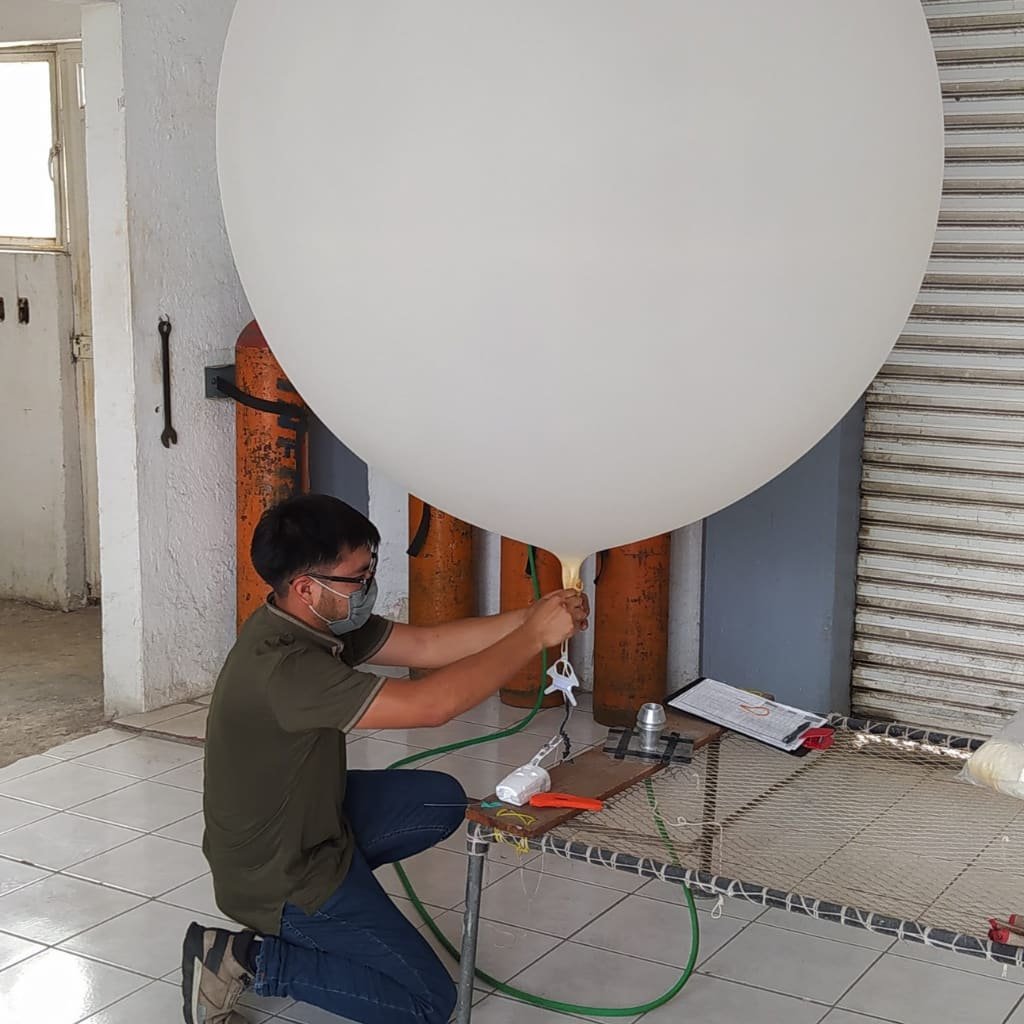
Twice a day, every day of the year, hundreds of meteorological stations around the world launch radiosondes into the atmosphere. Mexico is part of this global network.
While millions of people begin their day, a small package of sensors is already traveling through clouds, wind currents, and invisible atmospheric layers, collecting information that will later be used by meteorologists, civil protection agencies, hydrologists, aviation services, and global climate models.
The atmosphere is invisible.
Yet it influences everything.
- It influences the rainfall that feeds reservoirs and crops.
- It influences storm formation.
- It influences the safety of thousands of flights.
- It influences many of the decisions we make every day.
And to understand it, we must first measure it.
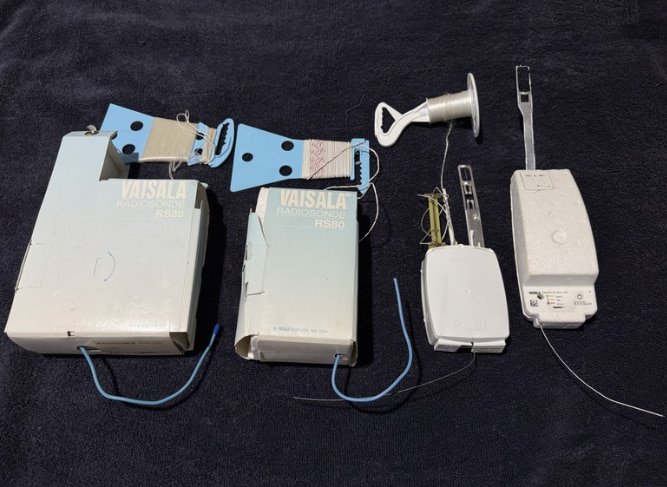
In 2020-2022, I had the opportunity to participate in a nationwide modernization project for Mexico’s atmospheric radiosonde network operated by CONAGUA, the country’s National Water Commission.
What began as a technical proposal eventually became one of the most demanding and rewarding experiences of my professional career.
Not only because of the technology involved.
But because of the people, the places, and the lessons I encountered along the way.
How Do You Measure an Atmosphere You Cannot Touch?
A conventional weather station can tell us what is happening at ground level.
It can measure temperature, humidity, atmospheric pressure, wind speed, and wind direction.
But the atmosphere is not a surface.
It is a massive volume that changes continuously with altitude.
Trying to understand it using only ground-level measurements would be like trying to understand an entire building by looking only at the first floor.
That is why atmospheric radiosonde systems exist.
The concept is relatively simple.
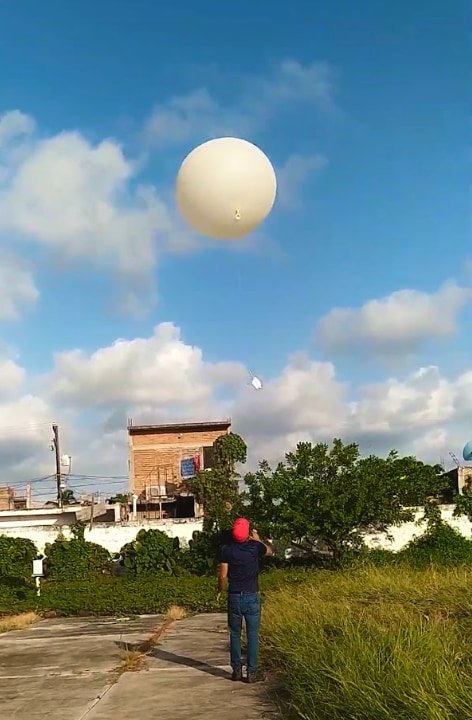
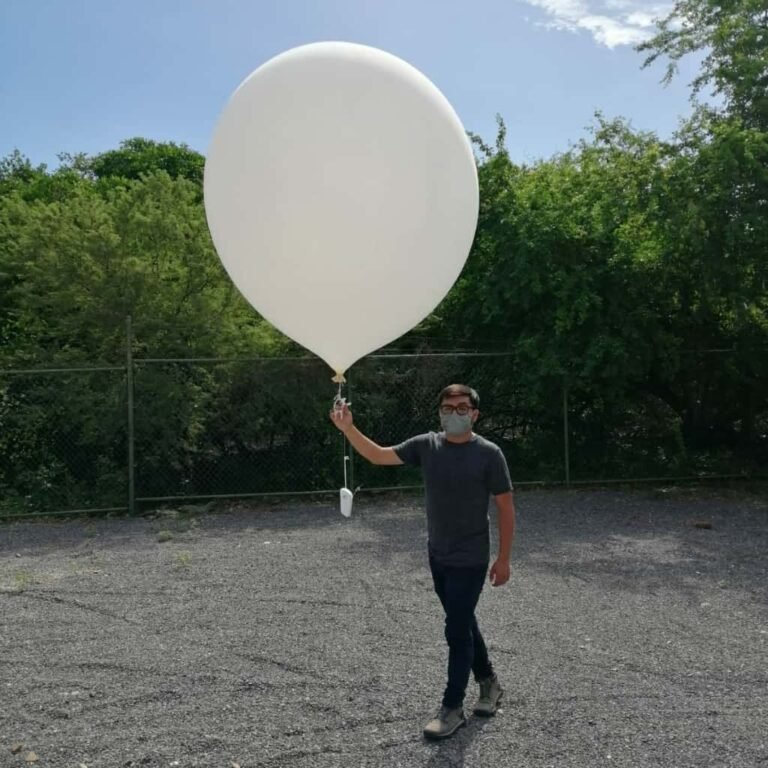
A weather balloon filled with hydrogen lifts a radiosonde into the upper layers of the atmosphere.
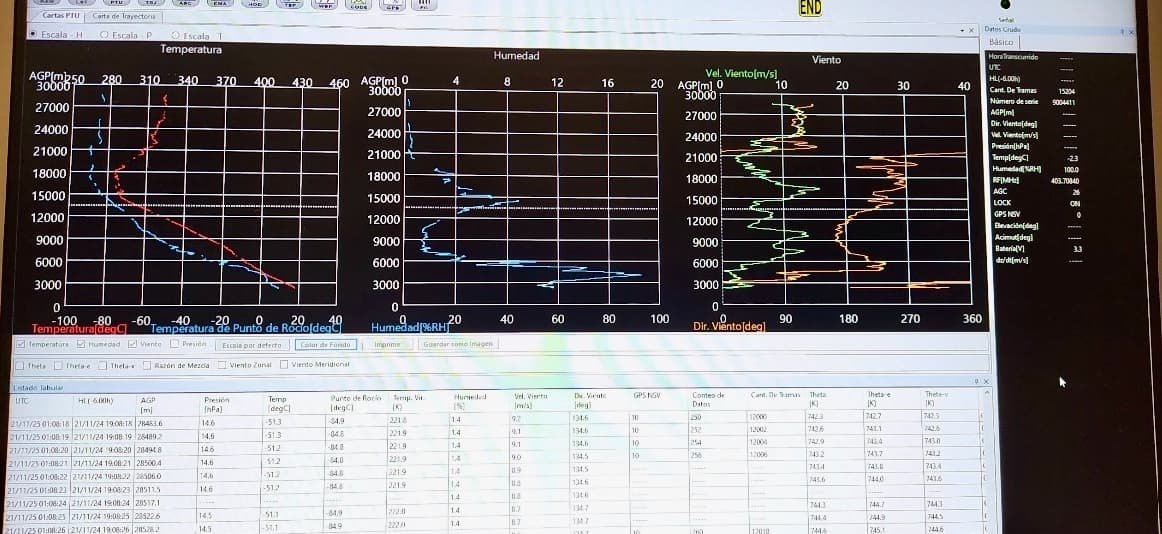
As it ascends, the radiosonde measures temperature, relative humidity, atmospheric pressure, and dew point. At the same time, positioning systems allow it to determine wind speed and wind direction at different altitudes.
Every second of the flight generates data.
Every meter gained by the balloon creates a unique vertical profile of the atmosphere.
A kind of invisible X-ray of the sky.
The radiosonde transmits this information via radio frequency to a ground station equipped with antenna arrays and specialized software.
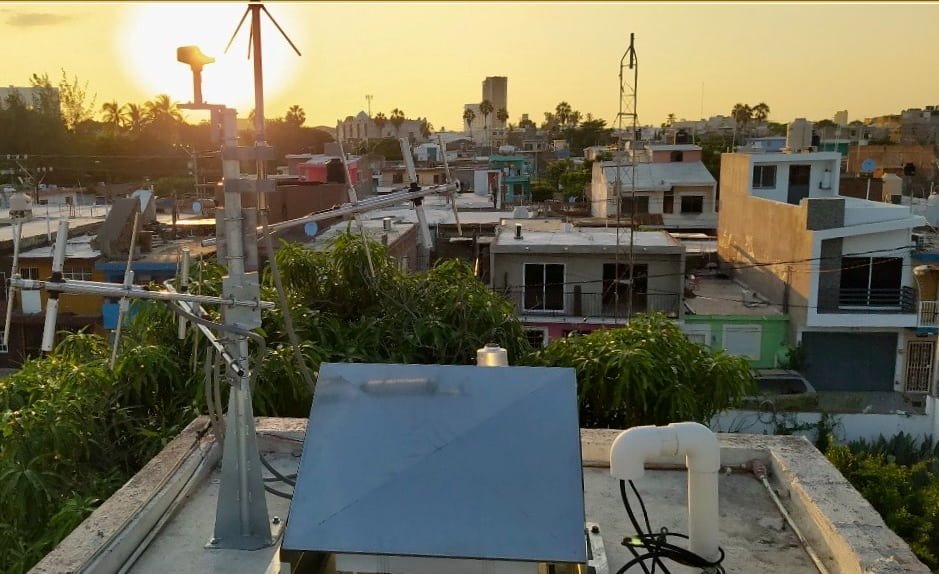
What makes the process remarkable is that all measurements are collected while the balloon is still climbing.
There is no second chance.
Launches must take place according to internationally synchronized schedules.
If something goes wrong, that atmospheric profile simply does not exist.
A Project That Connected Fourteen Stations Across Mexico
The project involved deploying a new radiosonde system across fourteen meteorological stations located in fourteen different states throughout Mexico.
The existing system had been operating successfully for years. The objective was not to replace valuable information, but rather to ensure operational continuity, standardization, and the ability to compare data between technologies.
For several launches, both systems operated simultaneously to validate results and guarantee data quality.
My involvement began long before the field work started.
I participated in the preparation of the technical proposal, scope definition, requirements review, and technical justification of the solution.
Later, I took part in technical meetings and project presentations.
However, the real adventure began when it was time to go into the field.
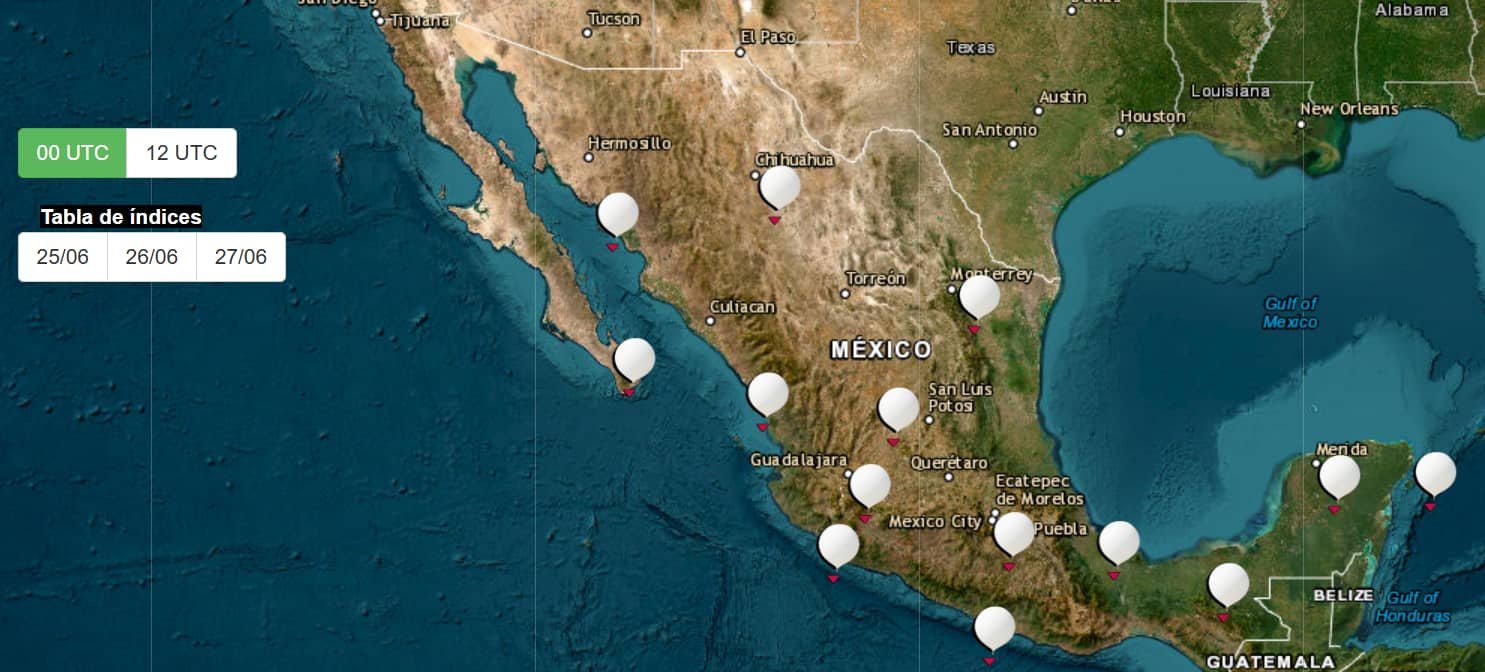
Following the Sky Across Mexico
The implementation was organized through three regional teams.
- North.
- Pacific.
- Southeast.
Each team was responsible for traveling between meteorological stations to install, configure, and commission the new systems.
The distances were enormous.
The environmental conditions completely different.
Some locations were dominated by dry heat.
Others seemed saturated with humidity.
Every station had its own infrastructure, its own challenges, and its own way of operating.
I had the opportunity to lead installations at nine stations and later support maintenance activities across the rest of the network.
Each deployment involved equipment installation, system configuration, communication testing, operational verification, and the first validation launch.
But what I remember most is not the equipment.
It is the journey.
The endless highways.
The weather observatories far from major cities.
The conversations during long drives.
The different accents.
The different ways people approached their work.
Some moments remain especially vivid.
Crossing by ferry between Mazatlán and La Paz while transporting equipment for the project.
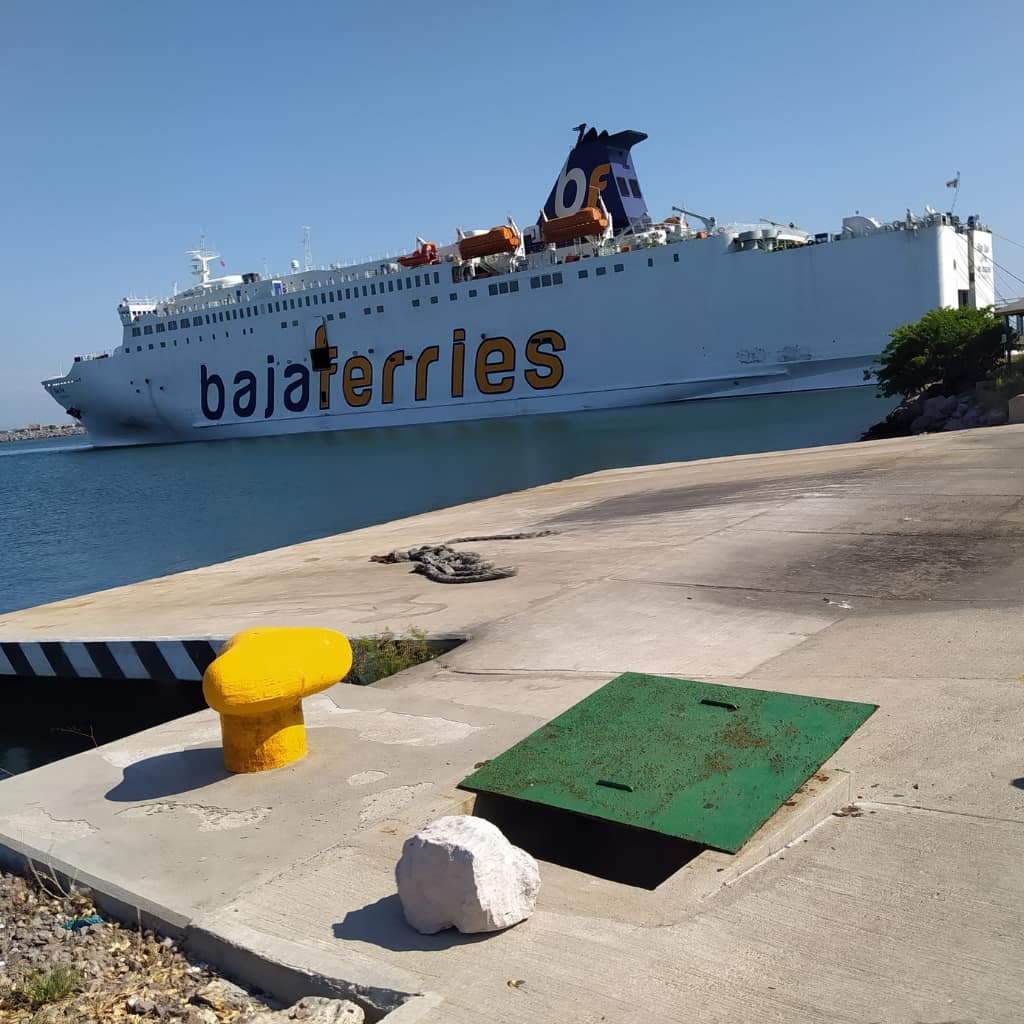
Waking up before sunrise to prepare a launch while the rest of the city was still asleep.
Few projects provide such a unique opportunity to experience the diversity of Mexico.
When Technology Depends on People
We often assume that technology projects fail because of technical issues.
Reality is usually different.
The greatest challenges often come from the human factor.
Some observers had decades of experience operating meteorological systems and an extraordinary understanding of atmospheric phenomena. More than once, I found myself learning as much from them as they learned from me.
Others required support in interpreting data or becoming familiar with new tools.
There were also unexpected situations.
Computers dedicated to the radiosonde system were sometimes used for unrelated activities.
Unauthorized software installations or configuration changes could affect system performance.
Technology can be sophisticated.
But it still depends on people who understand its importance.
For that reason, training became a critical part of the project.
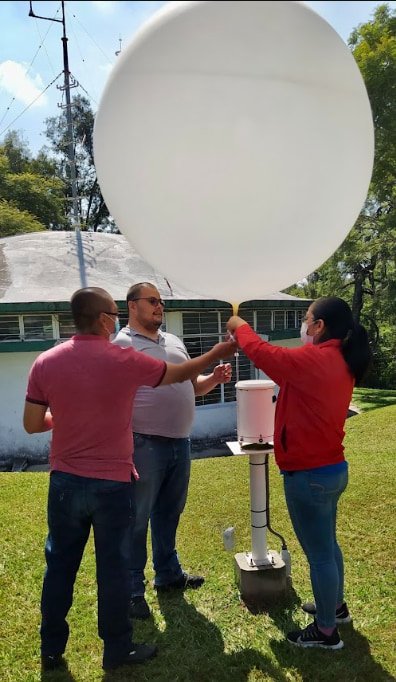
We trained meteorological observers and technicians in balloon preparation, safe hydrogen handling, radiosonde configuration, launch procedures, basic meteorological interpretation, and software operation.
Because a good measurement begins long before the balloon leaves the ground.
What the Atmosphere Taught Me
Up to that point, much of my professional experience had been focused on industrial automation, instrumentation, and process control.
I had worked with sensors.
Control systems.
Process variables.
But radiosonde operations forced me to look at air in a completely different way.
I developed a deeper understanding of concepts such as absolute humidity, relative humidity, dew point, and frost point.
I gained a better understanding of how clouds form.
How atmospheric conditions change with altitude.
How temperature, pressure, and moisture interact.
And I realized something that I would later continue to observe in pharmaceutical facilities, food processing plants, and advanced manufacturing environments.
The physics of air remains the same.
What changes is our ability to control it.
In controlled environments, we attempt to create stable atmospheric conditions.
In the Earth’s atmosphere, we observe a dynamic system that cannot be controlled.
And that is precisely what makes it so fascinating to measure.
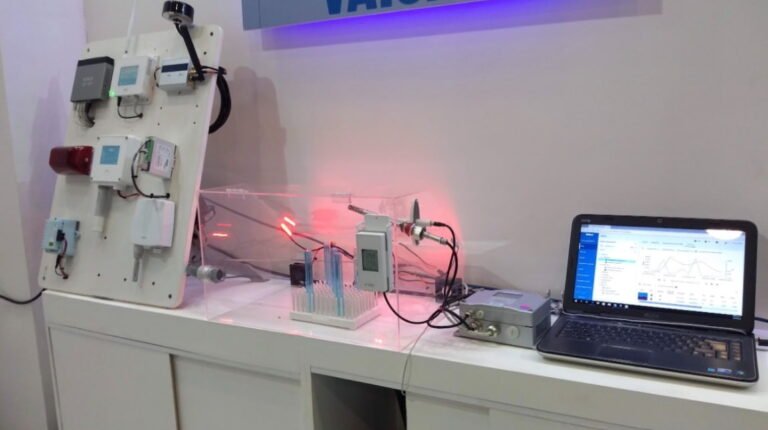
Beyond meteorology, the project taught me about radio communications, telemetry, industrial protocols, infrared configuration systems, network integration, and real-world problem solving.
It was one of those rare projects where technology and science continuously intersect.
More Than a Measurement System
Years later, I continued supporting the network through maintenance activities, software updates, and technical assistance.
The equipment evolved.
The systems improved.
Configurations changed.
But the mission remained the same.
To generate reliable atmospheric data.
Data that would ultimately be used by meteorologists, international organizations, civil protection agencies, aviation services, and climate research centers around the world.
Every launch feeds models designed to answer fundamental questions.
Will it rain?
Will a storm develop?
How will weather conditions evolve?
What conditions will aircraft encounter in the coming hours?
Behind those answers are thousands of measurements collected every day.
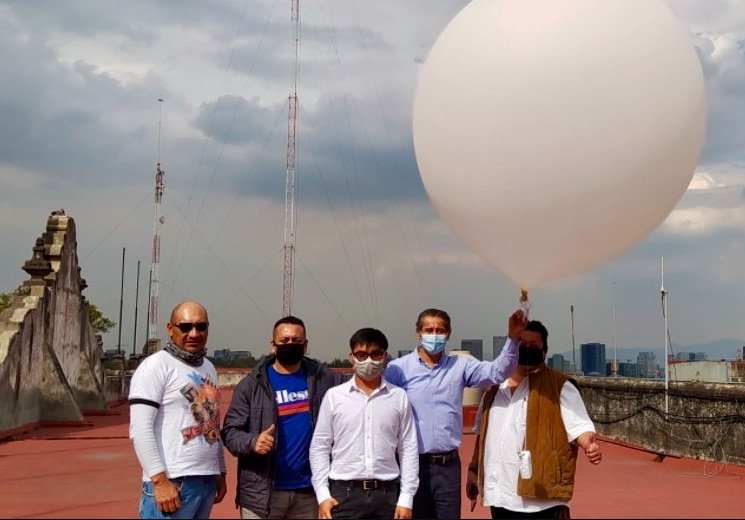
And behind every measurement is a chain of people, procedures, and technology working together.
Final Reflection
When I look back, I remember this project for many reasons.
I remember the technology.
I remember the launches.
I remember the excitement of watching atmospheric data change as the radiosonde climbed into regions of the atmosphere that most of us will never physically visit.
But above all, I remember the human experience.
This project did not simply challenge my technical knowledge.
It helped me grow as a person.
It allowed me to discover parts of my country I had never seen before.
It forced me to work with people from very different backgrounds.
It taught me how to adapt, listen, and solve problems in completely different environments.
I learned about sensors, communications, meteorology, and thermodynamics.
But I also learned about my Mexico.
Its people.
Its culture.
Its diversity.
The atmosphere is invisible.
Yet it influences almost everything we do.
And perhaps that is the most important lesson this project left me with.
Many of the systems that sustain our daily lives remain invisible.
Until someone decides to measure them.